
Material Guides · 3 min read
Bamboo Charcoal Panels: Pros, Cons and Where to Use Them
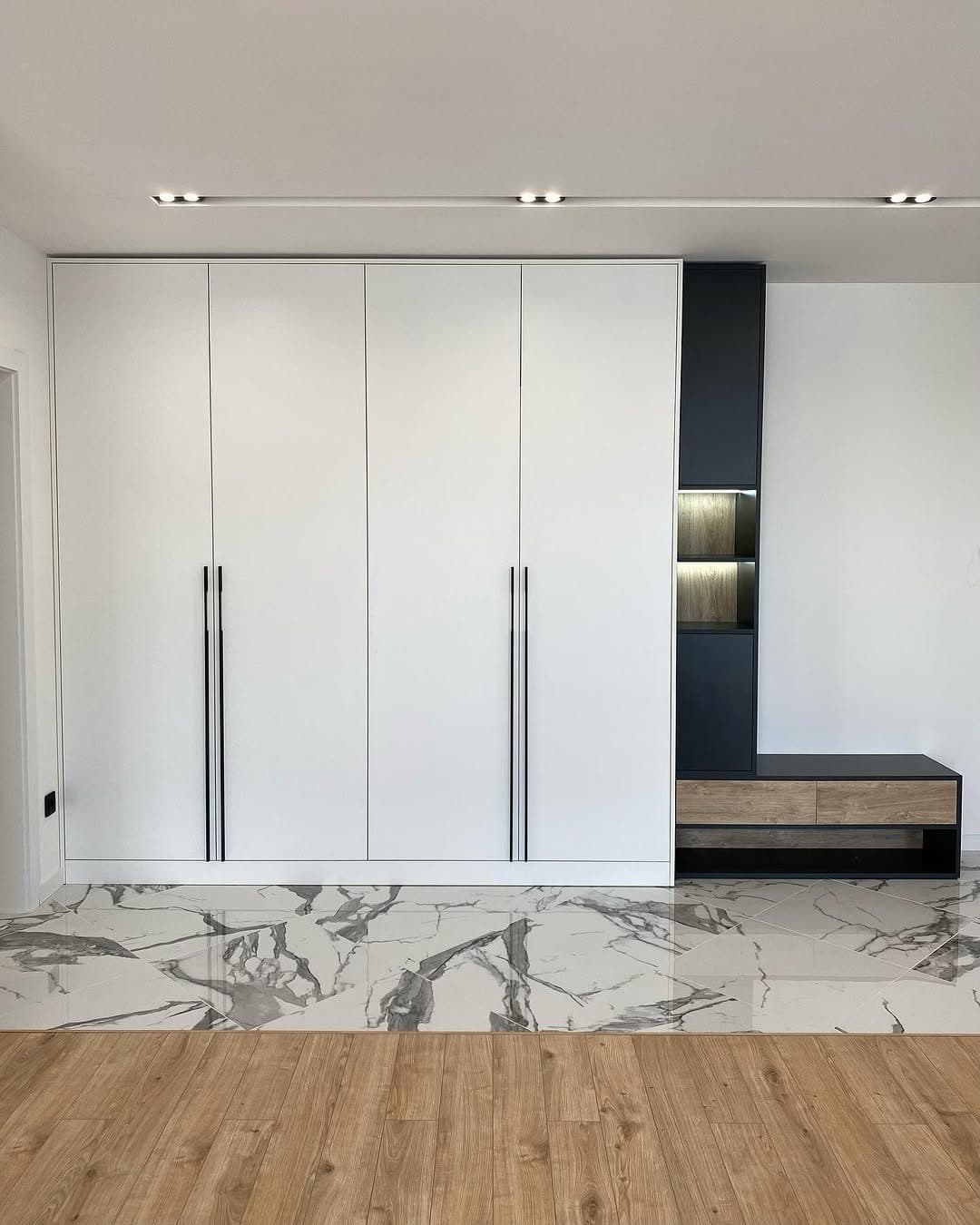
Bamboo charcoal panels — often called bamboo carbon or carbon crystal panels — have become a popular wall finish in Kenya because they are quick to install and come in finishes that imitate marble, wood, fabric and metal. Here is an honest look at what they do well, where they fall short and how to use them.
What are bamboo charcoal panels?
They are rigid wall boards made from a composite that includes bamboo charcoal fibre, with a decorative film on the face. They are usually large-format, so a whole feature wall can be covered with few joints, and they are fixed to the wall rather than plastered.
Advantages
- Fast installation with little dust, which suits occupied homes and offices.
- Large sheets with few joints, good for seamless feature walls.
- Wide range of finishes, including convincing marble and stone looks.
- Easy to clean with a damp cloth.
- More moisture-tolerant than plain MDF, useful in rooms with some humidity.
Disadvantages
- Quality varies. Cheaper boards can look flat or plasticky close up and may fade in strong sun.
- Not repairable like paint. A deep scratch or dent means replacing a board.
- Needs a flat wall. Uneven walls show through as waves along the joints.
- Finish is fixed. You cannot repaint them to change the colour later.
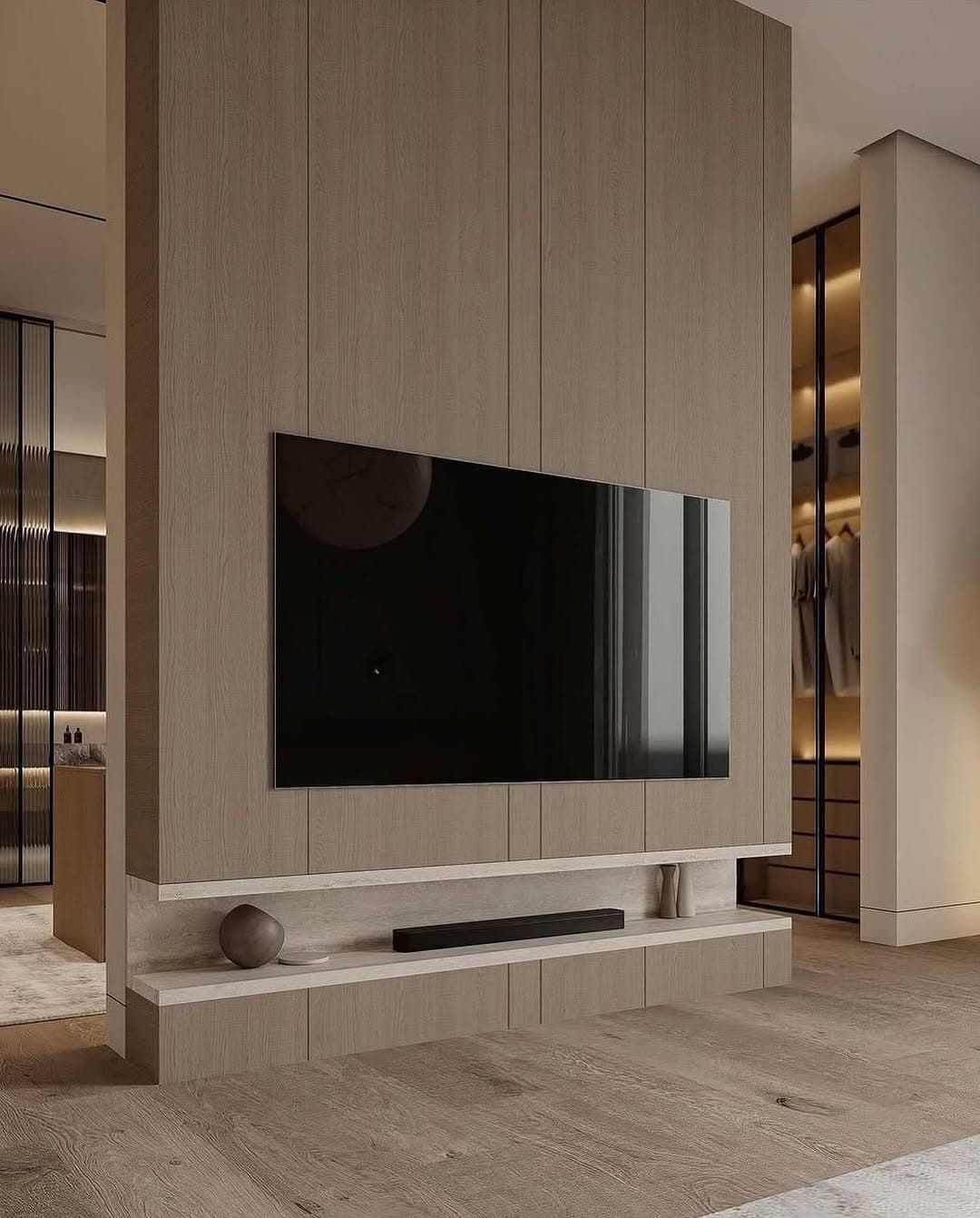
Best places to use them
Bamboo charcoal panels shine on TV walls, headboard walls, reception walls in offices and shops, and corridors where a marble look would be too heavy or costly in real stone. They are less suitable where you want the warmth of real timber or plan to change colours often.
How to get a good result
Ask to see a physical sample in daylight, not just a photo. Plan joints to fall at deliberate points, finish edges with matching trims, and check the wall is flat before fixing. For a timber-texture alternative, compare the fluted panels guide and our wall panelling service.
Bamboo charcoal panels versus other wall finishes
Compared with paint
Paint is the most affordable and easiest to change, but it offers no texture or marble effect. Panels give an instant premium look but cannot be repainted.
Compared with real stone
Natural stone is heavier, more expensive and needs specialist installation, but it has genuine depth and lasts a lifetime. Panels offer the look at a fraction of the weight.
Compared with fluted MDF
Painted fluted MDF can be any colour and repainted later, and it gives a crisper profile on joinery. Bamboo charcoal panels are quicker for large flat walls.
Choosing a good-quality panel
- Look at the surface in natural light: good films have depth and realistic veining.
- Check thickness and rigidity; thin boards flex and show joints.
- Ask about fade resistance if the wall gets direct sun.
- Confirm matching trims and corner pieces are available.
- Buy enough for the whole wall from one batch so colours match.
Maintenance
Clean with a soft, damp cloth and mild soap. Avoid abrasive cleaners and solvents, which can dull the surface. Protect corners in busy areas with trims, since a chipped edge is harder to repair than a painted wall.
Frequently asked questions
Are bamboo charcoal panels waterproof?
They are more water-tolerant than MDF, but they should not be used where water hits them directly, such as inside showers.
How long do bamboo charcoal panels last?
Good-quality boards installed on a flat, dry wall last well indoors. Direct sun can fade some films over time.
Can I install them over tiles?
Sometimes, if the surface is flat and sound. It is assessed on site.
Ask us about feature wall options for your space.