
Material Guides · 3 min read
Fluted Wall Panels: A Complete Guide for Kenyan Homes
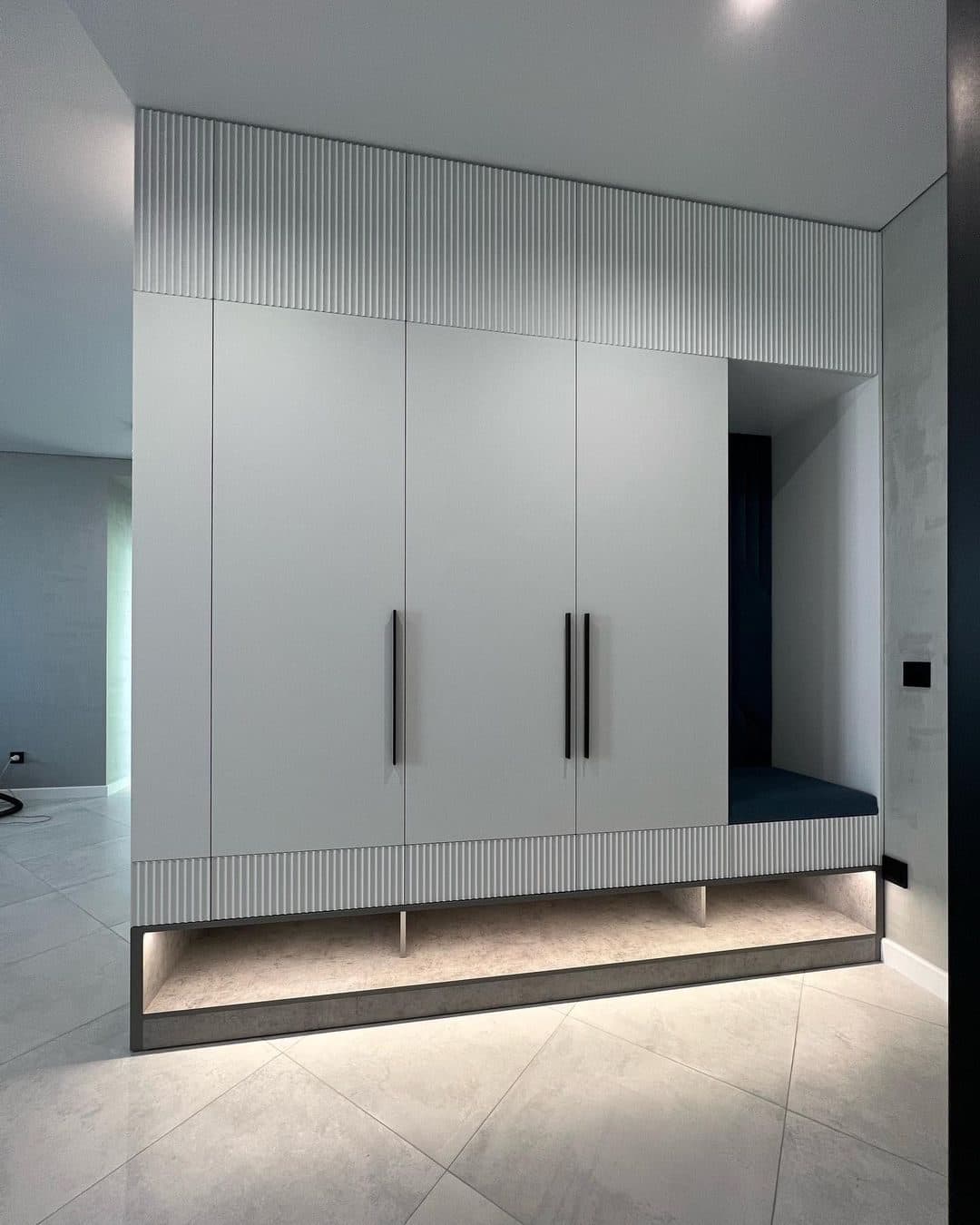
Fluted panels — surfaces with repeated vertical grooves — are one of the most requested finishes in Nairobi interiors right now. They add texture, catch light beautifully and hide fingerprints on cabinet fronts. They also go wrong easily when the material or the layout is not thought through.
What fluted panels are made of
Polystyrene (PS) panels
Lightweight, affordable and quick to install, PS panels come pre-finished in wood-look, marble-look and plain colours. They are a common choice for TV walls and feature walls. Choose a reputable product: cheap panels can look plasticky up close.
WPC (wood-plastic composite)
WPC panels are more rigid and more moisture-tolerant than PS, which makes them useful in areas with humidity. They are heavier and need proper fixing.
Milled MDF
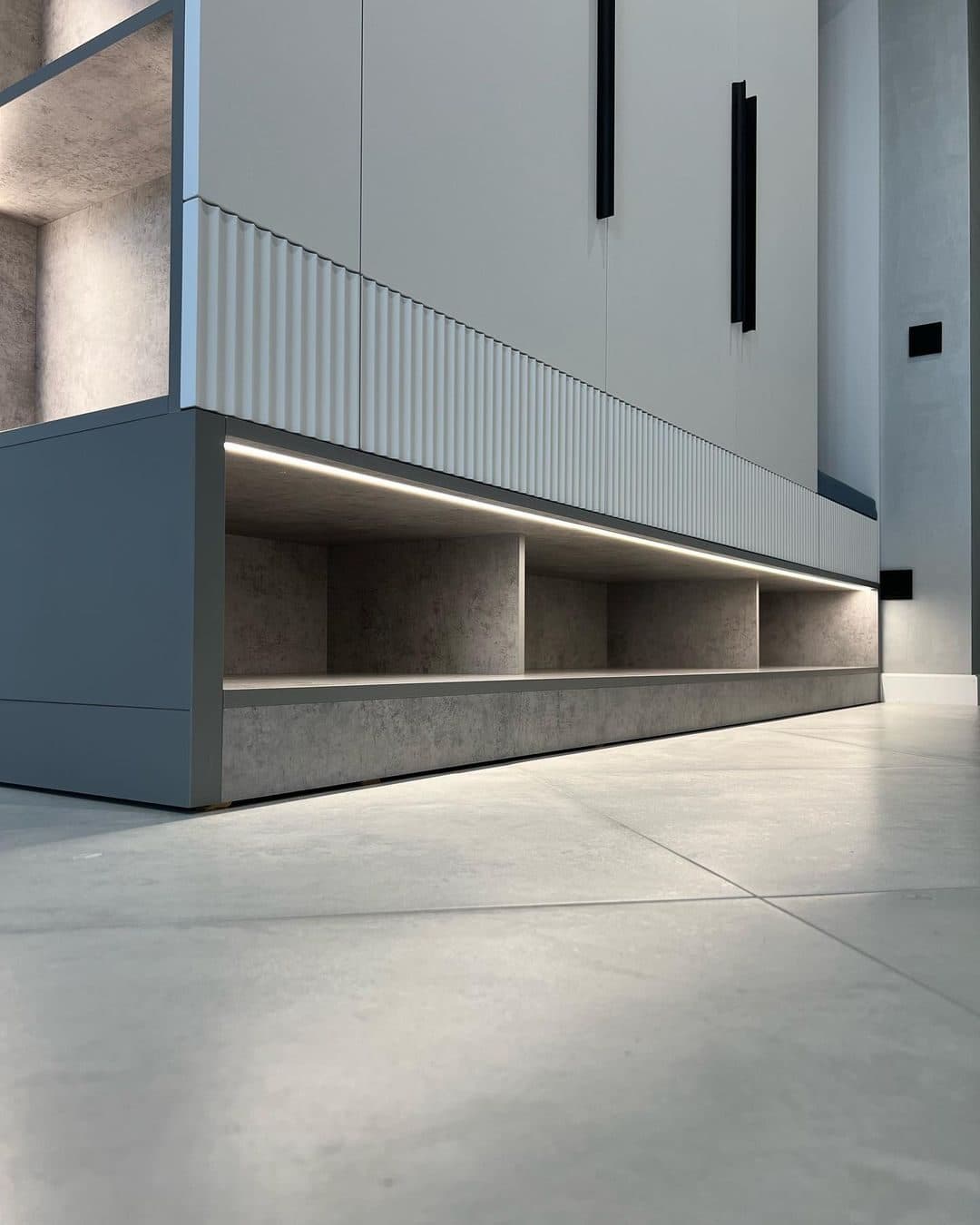
Grooves routed into MDF and then painted or lacquered give the crispest profile and any colour you like. This is what we use on wardrobe fronts and joinery, where the fluting has to align with doors and handles.
Solid timber
Timber slats give real depth and warmth, but they cost more and need seasoned wood so they do not twist.
Where fluted panels work best
- TV and media walls, where the texture frames the screen and hides cable routes. See our TV wall unit design ideas.
- Wardrobe and cabinet fronts, where grooves disguise fingerprints on handle-less doors.
- Headboard walls in bedrooms, for a hotel feel.
- Kitchen islands and reception counters, where the fluting takes knocks better than flat paint.
Getting the layout right
Fluted panels should start and stop at deliberate points — a corner, a door edge, a ceiling line — never with a cut half-groove in the middle of a wall. Plan the panel widths from the wall length before ordering, and mark sockets and switches so the grooves run around them cleanly. Lighting from above or the side makes fluting come alive; flat front light makes it disappear.
Fluted panels versus flat panelling
Flat panelling with mouldings reads classical; fluting reads contemporary. For the traditional look, see wall panelling vs wallpaper. For fluting on joinery, browse our wall panelling service.
Choosing the right groove size
Fluting comes in different groove widths and depths. Fine, narrow grooves feel refined and suit cabinet doors and smaller walls. Wider, deeper flutes cast stronger shadows and suit large feature walls viewed from a distance. Keep one groove size throughout a room so the design feels intentional.
Colours and finishes
Painted fluting in soft greys, greiges and off-whites gives a calm, contemporary look. Timber-look finishes add warmth to living rooms and bedrooms. Dark fluting — charcoal, black or deep green — creates drama behind a TV or headboard, especially with warm lighting grazing across it. Matt finishes show the shadow lines best; high gloss can flatten the texture.
Installation tips
- Check the wall is flat and dry before fixing; fluting exaggerates waves in a wall.
- Start from the centre of a feature wall so the ends are balanced.
- Plan panel joints to fall inside a groove, where they disappear.
- Finish edges with matching trims or a return, never an exposed cut edge.
- Install lighting before the last panels go up, so cables are hidden.
Fluting rewards careful setting out. Done well, it looks like a single carved surface rather than a series of boards.
Frequently asked questions
Are fluted panels durable?
Yes, when fixed to a flat, dry wall and chosen for the location. MDF and timber fluting can be repainted; PS and WPC panels are replaced rather than refinished.
Can fluted panels be used in bathrooms?
Only moisture-tolerant materials such as WPC should be used near water, away from direct splashing.
Do fluted panels collect dust?
The grooves hold a little dust, which a soft brush or vacuum attachment removes quickly.
Talk to us about fluted joinery for your home.