
Material Guides · 3 min read
Wall Panelling vs Wallpaper: Which Is Better in Kenya?
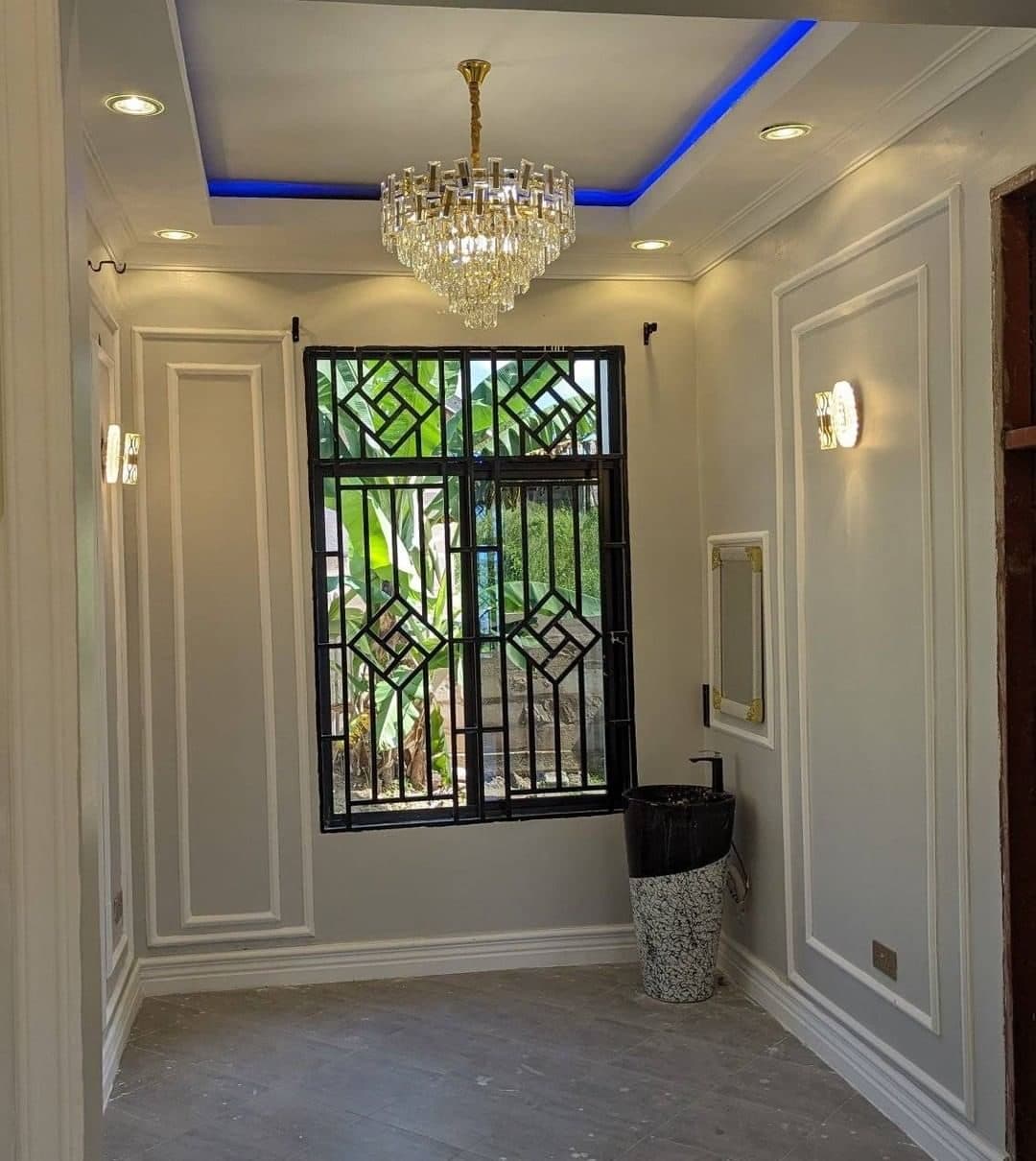
Both wall panelling and wallpaper can transform a plain room, but they age very differently. In Kenya, where sunlight is strong and humidity varies between seasons and rooms, the right choice depends on the room, the budget and how long you want the finish to last.
Wallpaper: fast and decorative
Wallpaper changes a room in a day and offers endless patterns. Its weaknesses are joints that lift in humid rooms, fading in strong sun, and damage that is hard to patch invisibly. It also needs a smooth, dry wall; wallpaper applied over damp plaster bubbles and peels.
Wall panelling: architectural and lasting
Panelling is joinery fixed to the wall — mouldings, flat panels, fluting or boarding — then painted or finished. It adds shadow and depth that paper cannot imitate, protects the wall from knocks, and can be repainted when you want a new colour. It takes longer to design and install, because the panel grid should be set out around doors, windows, switches and ceiling height.
Side-by-side
- Durability: panelling resists knocks and scuffs; wallpaper tears and scuffs more easily.
- Humidity: painted, sealed panelling copes better; wallpaper joints can lift in humid rooms.
- Maintenance: panelling is wiped and repainted; wallpaper is replaced in sections or entirely.
- Style: panelling reads architectural and permanent; wallpaper reads decorative and changeable.
- Disruption: wallpaper is quicker; panelling is mostly made in the workshop, so site time is still short.
Where each one makes sense
Choose wallpaper for a feature wall you may change in a few years, a guest room or a low-traffic space. Choose panelling for hallways, stairways, living rooms, dining rooms and master bedrooms — rooms you want to feel finished for a long time. Many homes combine the two: panelling to dado height with wallpaper or paint above.
Getting panelling right
The difference between elegant and awkward panelling is proportion. Read why it is having a moment in Nairobi homes, explore contemporary options in the fluted panels guide, and see our wall panelling service.
Choosing a panelling style
Classical panelling
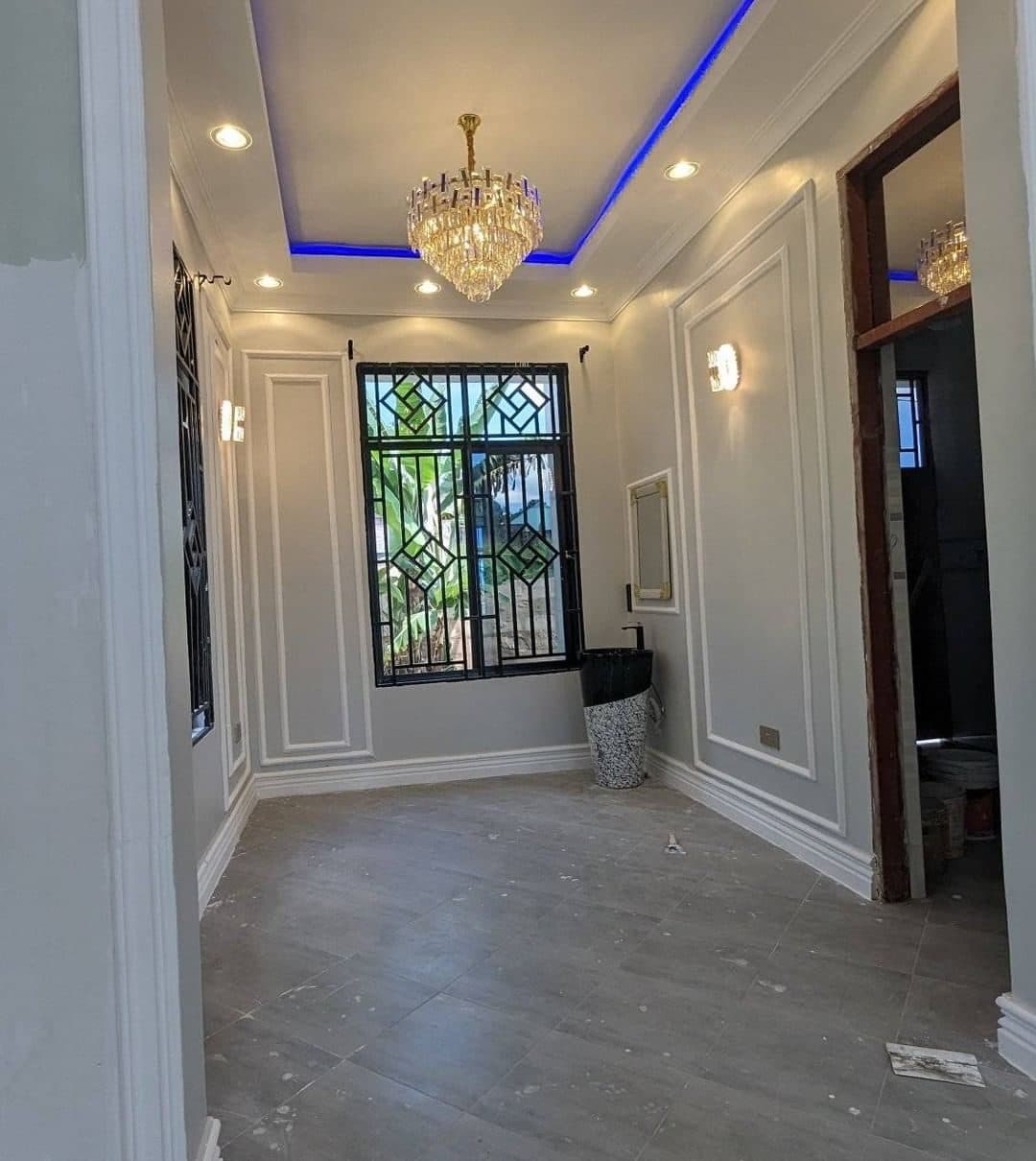
Frames of moulding set out in rectangles, often with a dado rail, suit formal living rooms, dining rooms and entrance halls. It works especially well with cornices and chandeliers.
Shaker panelling
Simple square-edged frames give a clean, timeless look that suits both modern and traditional homes.
Fluted and slatted panelling
Vertical grooves or slats read contemporary and work well on TV walls, headboards and joinery fronts.
Tongue-and-groove boarding
Vertical boards give a relaxed, cottage-style finish, often used to dado height in bathrooms and corridors.
Paint colours for panelling
Because panelling creates shadow, it looks richest in matt or eggshell finishes. Light neutrals show off the detail in bright rooms; deep colours such as navy, forest green or charcoal create a dramatic, enveloping space. Painting the panels, skirting and door frames in the same colour makes a room feel taller and more considered.
Combining panelling and wallpaper
You do not have to choose one. Panelling to dado height with wallpaper above protects the lower wall from knocks and chairs while adding pattern at eye level. In bedrooms, a panelled headboard wall with wallpaper on the side walls creates a focal point without overwhelming the room.
Frequently asked questions
Is wall panelling expensive?
It usually costs more than wallpaper because it is joinery, but it lasts much longer and can be repainted instead of replaced.
Can wall panelling be installed over existing paint?
Yes. Panels are fixed to a sound, dry wall and then painted with the rest of the room.
Does wallpaper work in Nairobi's climate?
It works well in dry, shaded rooms on properly prepared walls. Avoid it in bathrooms and rooms with damp or strong direct sun.
Book a consultation to see which suits your room.