
Planning · 3 min read
How to Choose an Interior Designer in Nairobi: 10 Questions
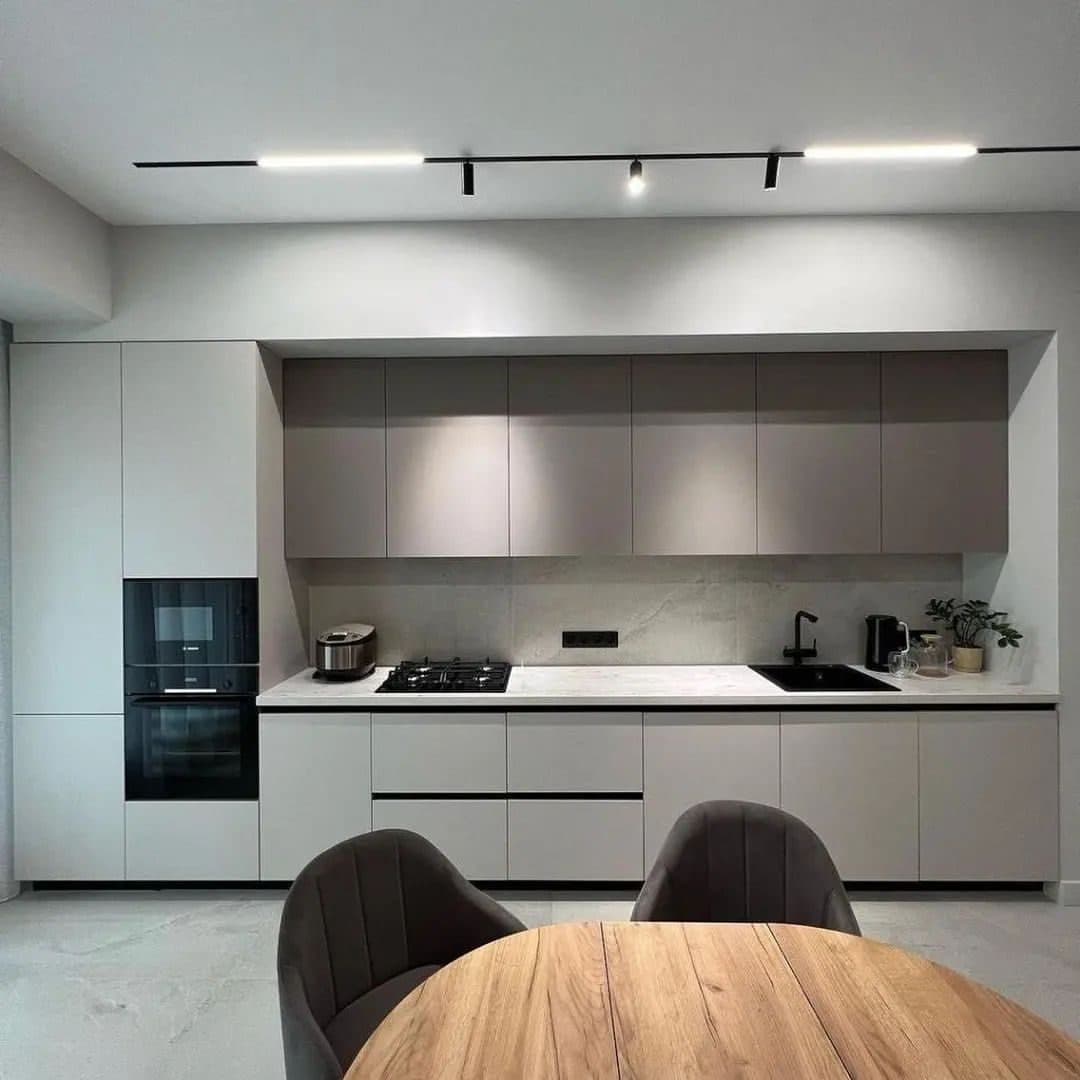
Hiring an interior designer or fit-out company is a big decision: you are trusting someone with your home, your budget and your time. The best way to choose is to ask the same clear questions of everyone you speak to. These ten will tell you most of what you need to know.
The ten questions
1. Can I see finished projects, not just renders?
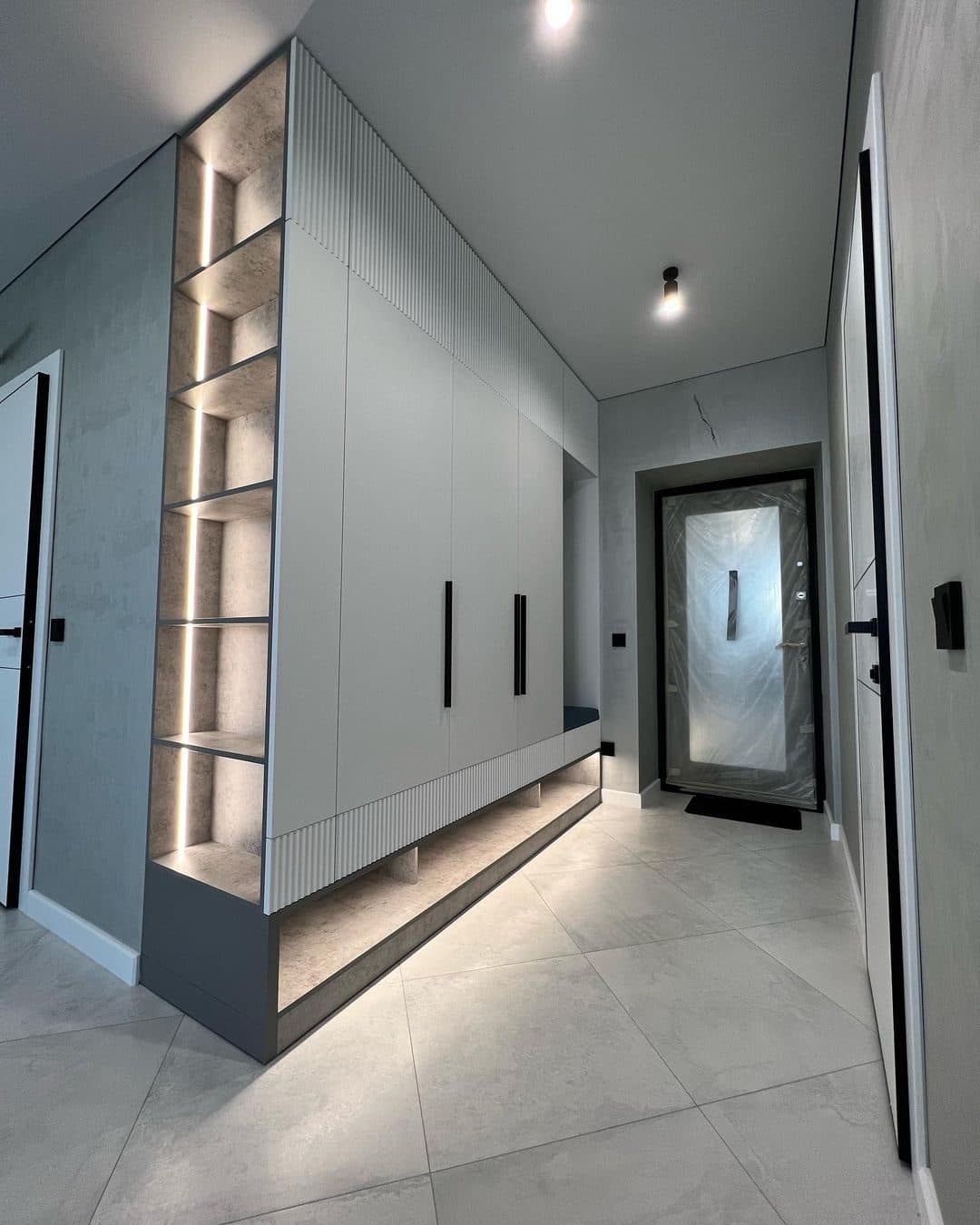
Computer renders show intentions. Photographs and videos of completed rooms show results. Ask for work similar to yours in size and style — our portfolio, gallery and reels are all our own sites.
2. Who actually makes the furniture and joinery?
Some designers subcontract everything. A studio with its own workshop controls quality and programme more directly.
3. Will you measure on site before quoting?
Accurate quotes come from a measured survey, not from photos or rough dimensions.
4. Will I get drawings before work starts?
Elevations and shop drawings let you see sizes, materials and layouts before anything is cut.
5. Is the quotation itemised?
A good quote lists materials, finishes, hardware and what is included — installation, delivery, removal of waste — so you can compare fairly.
6. What is the payment schedule?
Understand what you pay upfront, at which stages, and what each payment covers.
7. What is the programme?
Ask how long design, fabrication and installation take, and what could delay them.
8. Who manages the site?
Know who your point of contact is and how the team coordinates electricians and other trades.
9. What happens if something is not right?
Snagging, adjustments and aftercare should be agreed in advance.
10. Can I speak to a previous client?
A confident studio is happy to point you to past clients or reviews.
Red flags
Be cautious of quotes given without a site visit, very large upfront payments with no drawings, and portfolios made only of images found online. Our guide to the fit-out timeline explains what a realistic process looks like.
How to prepare for your first meeting
You will get more from a consultation if you arrive with a few things ready:
- Photos of the rooms as they are now, and approximate measurements if you have them.
- Inspiration images of spaces you like, and a few you do not.
- A list of what each room needs to store and how it is used.
- A realistic budget range and a target completion date.
- House plans or architectural drawings, if available.
None of this has to be perfect. It simply helps the designer understand your priorities quickly.
Understanding the design-and-build model
Some clients hire a designer for drawings and then find separate contractors to build them. Others choose a design-and-build studio that designs, makes and installs everything. The design-and-build route gives you one point of responsibility: if something does not fit, there is no argument between the designer and the carpenter about whose fault it is. It also shortens the timeline, because the people drawing the joinery are the people making it.
Comparing quotes fairly
Put quotes side by side and compare like with like: the same rooms, the same materials, the same hardware and the same inclusions. The cheapest quote is often missing something — installation, lighting, back panels or finishing — that appears later as an extra. Ask each company to explain any differences before you decide.
Frequently asked questions
Do I need an interior designer or just a carpenter?
For a single simple item, a skilled carpenter may be enough. For whole rooms, coordinated lighting, ceilings and joinery, a design-and-build studio saves time and mistakes.
How do interior designers charge in Kenya?
Some charge a design fee; others include design in a design-and-build quotation. Ask how design work is priced before you start.
Read how we work on our about page, then book a consultation.