
Design Ideas · 3 min read
Home Office Design Ideas for Kenyan Homes
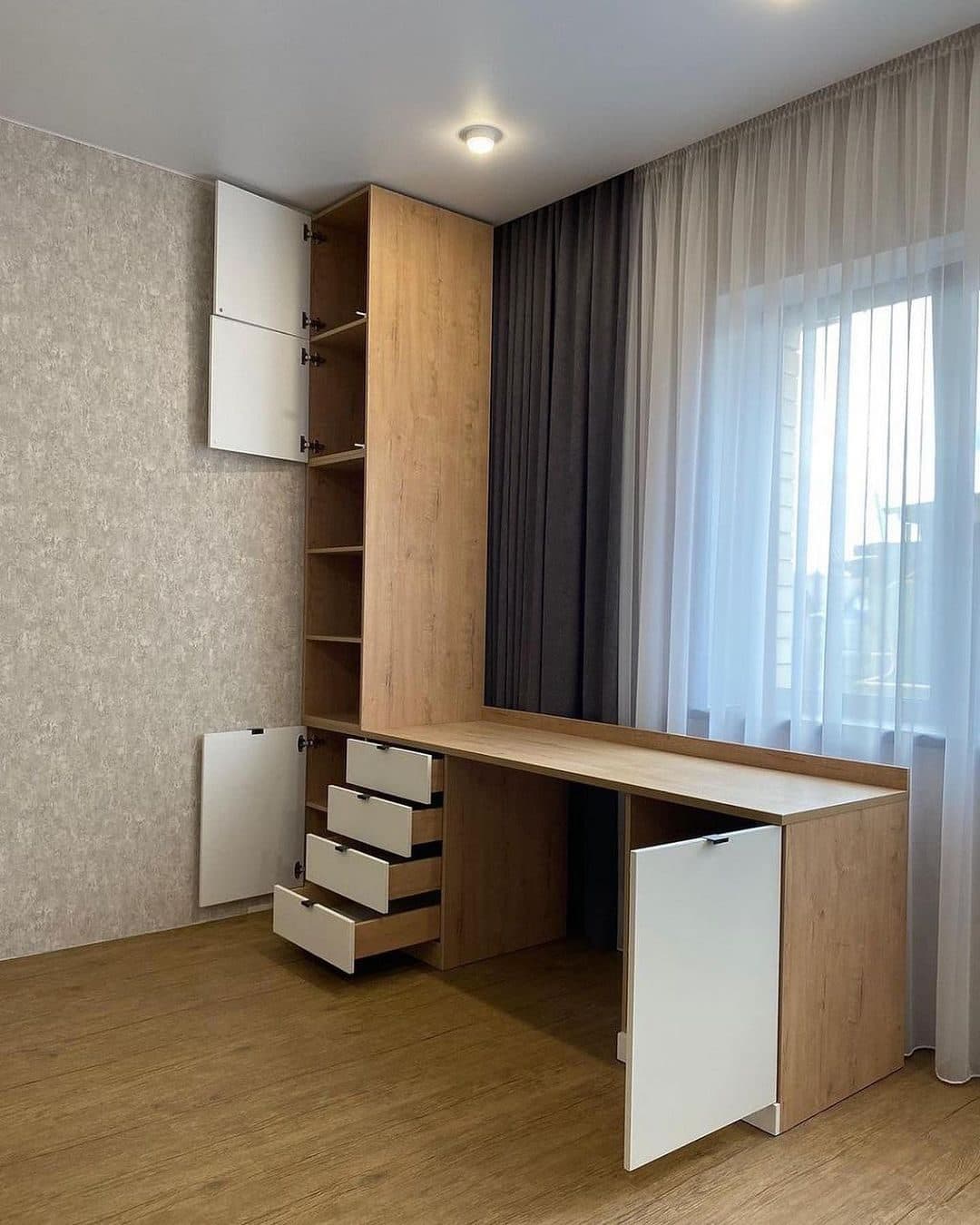
Working from home is now normal for many Kenyan professionals, but the dining table is not an office. A well-designed workspace — even a small one — makes long days more comfortable and keeps work from spilling across the house.
Choose the right spot
Natural light is the first priority. A desk beside a window, with light coming from the side rather than directly behind the screen, reduces glare and eye strain. If you do video calls, check what the camera sees behind you. A spare bedroom is ideal, but a corner of a bedroom, a landing or a wide corridor can work with the right joinery.
Built-in desks save space
A built-in desk uses the exact width of an alcove or wall, and shelving above it takes storage up to the ceiling. In small homes, a desk that pulls out of a wardrobe run disappears completely when the day ends. See more in our small apartment storage ideas.
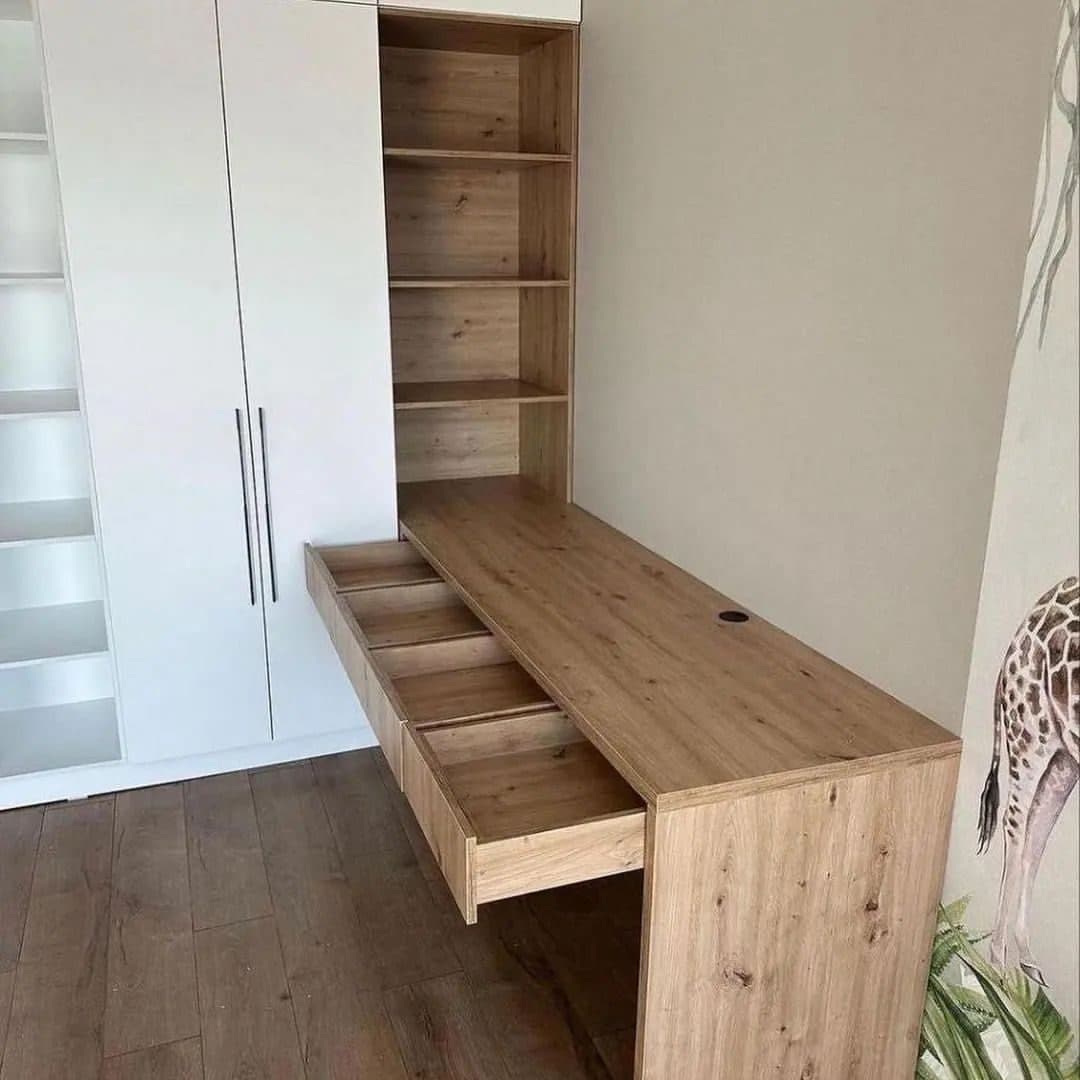
Storage that keeps the desk clear
- Deep drawers for files and printer paper.
- A closed cupboard for the printer and router, with ventilation.
- Open shelves for books and a few personal objects.
- A cable tray under the desk so chargers and extension leads never touch the floor.
Light for the whole day
Combine natural light with a ceiling light and a task light on the desk. Warm LED strips under shelves add a soft glow for evening work without glare on the screen. Our LED lighting guide explains colour temperature and placement.
Power and connectivity
Plan sockets at desk height, a spot for the router with good signal, and a backup-power point if you use a UPS or inverter. It is easier to add these during a fit-out than afterwards.
Make it comfortable
A good chair matters more than anything else. Leave room to push back from the desk, keep the screen at eye level, and use a rug and soft furnishings to reduce echo on calls.
Home office layouts that work
Facing the window
Great for daylight and views, but screens can suffer glare at certain times of day. Blinds help.
Side-on to the window
Usually the best compromise: good natural light without glare on the screen or your face on calls.
Facing the wall with shelving
Efficient in small rooms, with storage right in front of you. Add a task light to compensate for less daylight.
Shared desk for two
A long built-in desk with two work zones and storage in the middle suits couples or siblings studying together.
Keeping work and home separate
A dedicated workspace helps you switch off at the end of the day. Cupboard doors that close over the desk, a sliding panel or even a change of lighting mark the end of work. In a bedroom office, choose joinery that looks like furniture rather than an office when closed.
Acoustics for video calls
Hard floors and bare walls create echo. A rug, curtains, upholstered chair and a bookshelf full of books absorb sound and make calls clearer. Position the desk so the camera sees a tidy, well-lit background — a bookshelf or panelled wall looks professional.
Frequently asked questions
How much space do I need for a home office?
A comfortable desk needs enough width for a screen and papers and enough depth for your arms and a keyboard. Built-in joinery can fit a proper workspace into a surprisingly small alcove.
Can a home office share a bedroom?
Yes. Joinery with doors or a pull-out desk lets you close the office away at night.
What colour is best for a home office?
Calm neutrals, soft greens and warm woods help concentration and look good on camera.
Explore our joinery and cabinetry or book a consultation.