
Design Ideas · 21 min read
Modern African Interior Design & 7 Styles for Kenyan Homes
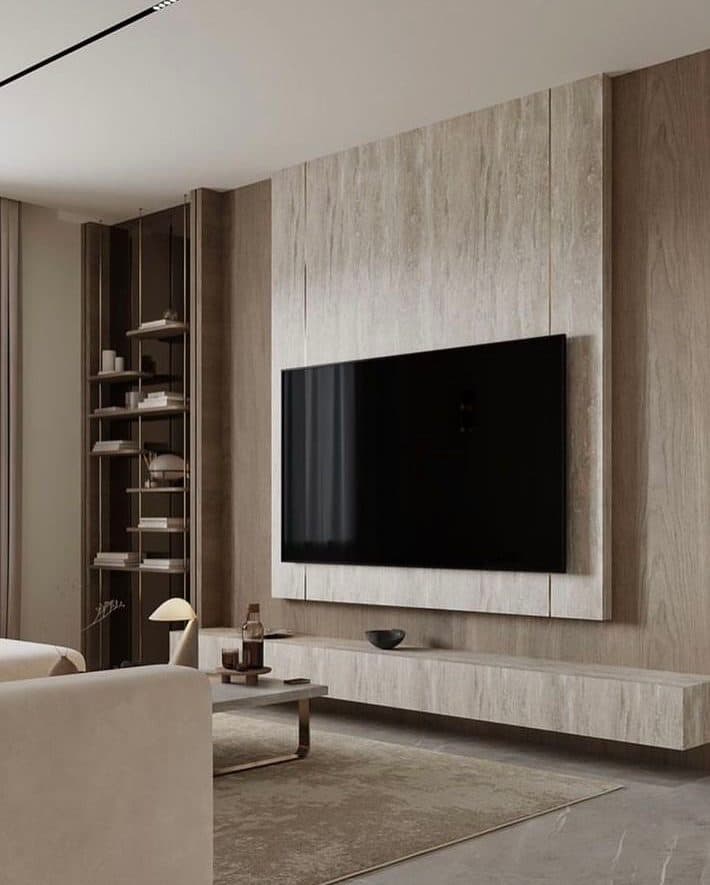
Ask most people what style they want for their home and they hesitate. They know what they like when they see it — a photograph saved on a phone, a friend's living room, a hotel lobby — but the words designers use can feel like a foreign language. Modern or contemporary? Minimalist or Scandinavian? And where does modern African interior design fit, when almost every image online was photographed in Europe or America?
This guide explains the main interior design styles in plain terms, with a particular focus on how each one works in a Kenyan home: in Nairobi's light, with locally available materials, for the way families here actually live. It covers modern African interior design in depth, then modern, contemporary, minimalist, Scandinavian, classic, industrial and luxury styles, and ends with a practical method for choosing — and combining — them.
Why style matters, and why it is not everything
A style is a set of decisions made in advance. It tells you which colours, materials, shapes and details belong together, so that a home feels like one place instead of a collection of unrelated rooms. That is its value: coherence.
But a style is a starting point, not a rulebook. The best homes are not pure examples of anything. They take the bones of one approach, borrow warmth or character from another, and are finished with things the owners love. Use the descriptions below to find your direction, not to pass a test.
Three questions are worth holding in mind as you read:
- How do you want the home to feel? Calm, energetic, formal, relaxed, cosy, airy?
- How do you live? Small children, frequent guests, working from home, a love of cooking, a dislike of dusting?
- What does the building want? A 1970s Lavington bungalow, a new glass-fronted apartment in Westlands and a Karen villa each suggest different answers.
Modern African interior design
Modern African interior design is the most exciting direction in Kenyan homes today, and the most misunderstood. It is not a room filled with masks, animal prints and safari souvenirs. It is contemporary design — clean lines, considered space, modern comfort — expressed through African materials, colours, craft and art.
The idea
Think of a modern home that could only be here. The layout and joinery are contemporary. The palette is drawn from the Kenyan landscape. The textures come from local timber, stone, clay, sisal and hand-woven cloth. The art and objects are made by African artists and makers. Nothing is a costume; everything is in use.
The palette
Earth is the foundation: warm whites, sand, clay, terracotta, ochre, rust, deep brown and charcoal. Against these, greens from olive to forest, and accents of indigo, mustard or the saturated reds of Maasai shuka. The proportions matter — a calm, neutral base with colour used deliberately, not everywhere.
Materials
- Timber. Kenyan and East African hardwoods, with visible grain and a natural or oiled finish. Carved or turned details on a stool, a door, a headboard.
- Stone. Local stone such as Mazeras, Galana and Nairobi blue stone, on a feature wall, a fireplace or a terrace floor.
- Clay and plaster. Textured plaster walls, terracotta tiles, hand-made ceramics.
- Woven fibres. Sisal, raffia, banana fibre and palm in baskets, pendant lampshades, rugs, chair seats and cabinet door inserts.
- Textiles. Kitenge and Ankara prints, kikoy stripes, Maasai shuka checks, West African mudcloth and Kuba cloth, used on cushions, upholstery, throws and wall hangings.
- Metal and beadwork. Hand-forged iron, brass, and beadwork used as art or detail.
- Leather and hide. On seating, handles and rugs.
Pattern and craft
African pattern is geometric, rhythmic and bold. Used well, it is concentrated: one mudcloth-upholstered armchair, a pair of kitenge cushions on a plain sofa, a wall of woven baskets, a patterned tile in a powder room. Used everywhere, it overwhelms. The discipline of modern design — restraint, space, repetition — is what lets the craft be seen.
Joinery in a modern African home
Fitted joinery is where the style becomes architecture. Fluted timber panels that echo carved doors. Cane or woven-fibre inserts in wardrobe and sideboard doors. Open shelving designed to display ceramics, baskets and carvings, with lighting. A kitchen in warm timber veneer with a stone worktop and matt black or brass hardware. A headboard wall in textured plaster with a carved timber ledge. See our wall panelling and wainscoting service and the fluted wall panel guide.
Art
Kenya has a thriving contemporary art scene. Paintings, photography, sculpture and textile art by local artists give a home an identity that mass-produced prints never can. Give art proper wall space and proper light.
How to avoid cliché
- Choose a few strong pieces over many small ones.
- Mix old and new. A traditional stool beside a modern sofa.
- Buy real craft from makers and cooperatives where you can; quality shows.
- Let materials speak. Timber, stone and fibre carry the mood without any motif at all.
- Keep the architecture clean, so that the craft is framed, not competing.
Who it suits
Anyone who wants a home with warmth, texture and a sense of place. It works in apartments as well as villas, at modest budgets as well as high ones, and it pairs naturally with minimalist, contemporary and luxury approaches.
Modern interior design
In everyday speech "modern" means "up to date". In design it refers to something more specific: the modernist movement of the twentieth century and the look that descends from it.
Characteristics
- Clean, straight lines and simple forms.
- Function first. Nothing is there only for decoration.
- Open plans and uncluttered space.
- Natural materials — timber, leather, stone, metal, glass — left to show what they are.
- A restrained palette of neutrals, with occasional strong colour.
- Large windows and a connection to the outdoors.
- Low, horizontal furniture on visible legs.
In a Kenyan home
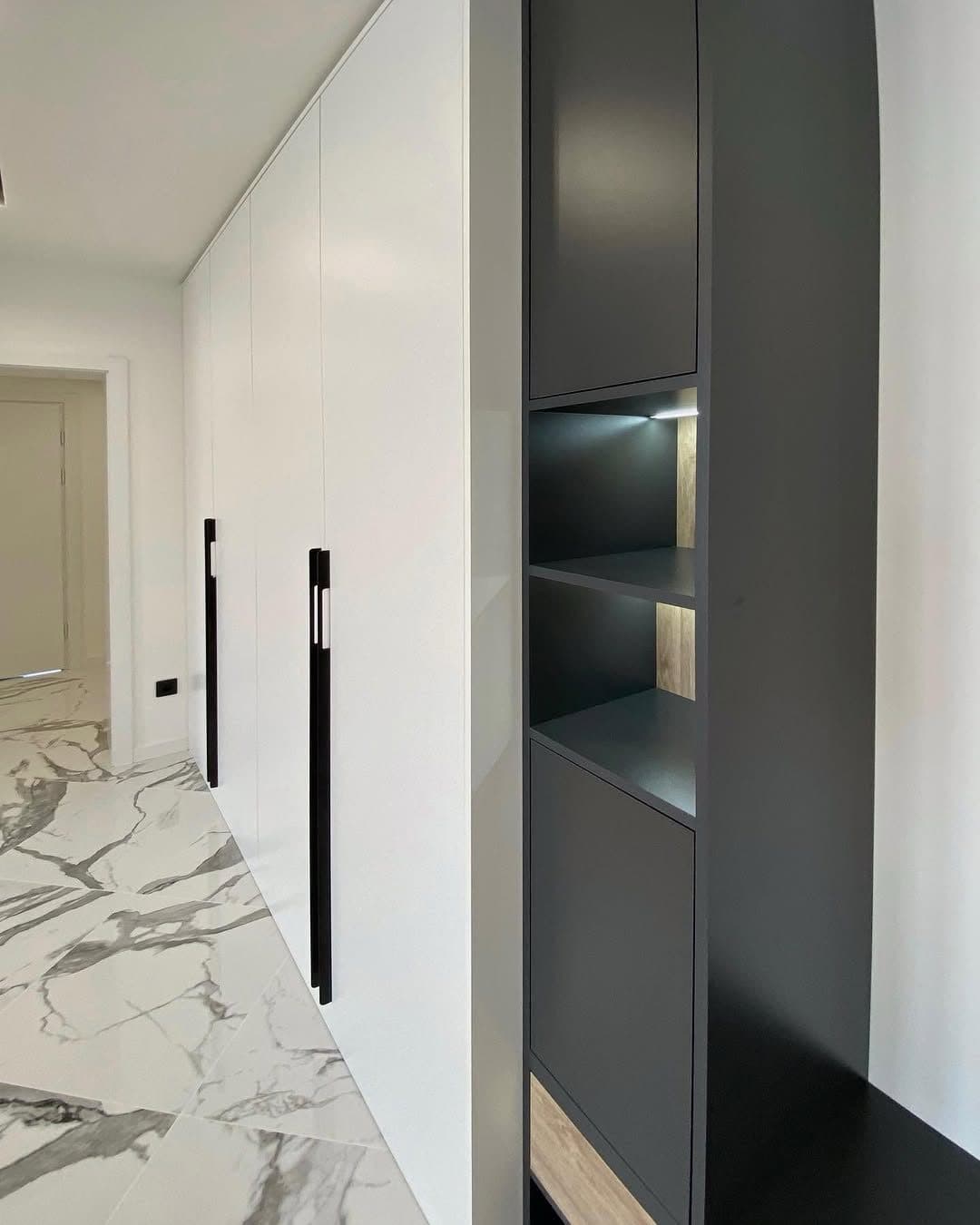
Modern interior design suits Nairobi well. Its love of natural light, indoor-outdoor living and honest materials fits the climate, and its simplicity is forgiving of compact apartments. Flat-fronted, handle-less kitchens and wardrobes in timber veneer or matt lacquer, a plain flush ceiling with concealed lighting, large-format floor tiles or timber, and a few well-chosen pieces of furniture.
The risk is coldness. Balance smooth, hard surfaces with warm timber, textured fabrics, rugs and plants.
Interior designers for modern homes
If you are briefing interior designers for a modern home, ask to see how they handle junctions: the shadow gap where a wall meets a ceiling, the alignment of door heads with joinery, the concealment of handles and lighting. Modern design removes ornament, so accuracy becomes the decoration.
Contemporary interior design
People use "modern" and "contemporary" interchangeably, but they are not the same. Modern is a defined style with roots in a particular period. Contemporary simply means of the present moment — the design of now — and so it keeps changing.
What it looks like at the moment
- Softer shapes. Curved sofas, arched niches, rounded edges on islands and joinery.
- Warm neutrals — cream, beige, greige, taupe, clay — replacing cool greys and stark white.
- Texture. Fluted and ribbed panels, bouclé and linen fabrics, limewash and plaster-effect walls, stone with visible veining.
- Mixed materials. Timber with stone with metal with glass, in one composition.
- Statement lighting. Sculptural pendants, linear LED profiles, concealed coves.
- Matt black, bronze and brushed brass details.
- Layered lighting as part of the architecture.
In a Kenyan home
Most new interiors in Nairobi are contemporary in this sense, and it is a flexible, liveable direction. A fluted media wall with a floating console, a kitchen in greige with a quartz worktop, a tray ceiling with an LED cove, a wardrobe wall with bronze glass sections. See TV wall unit design ideas and gypsum ceiling designs.
The caution with contemporary design is that today's detail becomes tomorrow's date stamp. Use fashionable elements in parts of the home that are easy to change, and keep the expensive, permanent elements simpler.
Minimalist interior design
Minimalism is modern design taken to its conclusion: only what is necessary, perfectly resolved.
Characteristics
- Very few objects on show. Clear surfaces, empty floor.
- A narrow palette, often white, warm white, pale timber and one dark accent.
- Concealed storage behind plain, handle-less doors.
- Simple forms with no decoration.
- Light and space treated as materials in their own right.
- Exceptional quality in the few things that are visible.
The misunderstanding
Minimalism is not owning nothing, and it is not cheap. A minimalist home has just as many belongings as any other; they are simply behind doors. That means minimalist interior design depends on more storage than usual, planned with great care, and on very precise workmanship — because a plain wall of doors with uneven gaps looks dreadful.
In a Kenyan home
Minimalism is excellent for compact apartments, where visual calm makes rooms feel larger, and for people who find clutter stressful. Full-height wardrobes that read as a wall, a kitchen with integrated appliances and nothing on the worktop, a media wall that hides every cable. See small apartment storage ideas.
Be honest with yourself about children, hobbies and habits. If daily life will fill the surfaces within a week, choose warm minimalism — the same clean lines with more texture, timber and tolerance — over the strict version.
Scandinavian interior design
Scandinavian design developed in countries with long, dark winters, where the home had to be bright, warm and practical. Its guiding ideas are simplicity, function and comfort.
Characteristics
- Light colours. White and pale grey walls to bounce scarce daylight.
- Pale timber — birch, ash, pine, light oak — on floors and furniture.
- Simple, functional furniture with gentle curves and tapered legs.
- Natural textiles. Wool, linen, cotton, sheepskin.
- Cosiness. Candles, throws, soft lamps — the quality the Danes call hygge.
- Plants and a strong connection to nature.
- Clutter-free, but lived in.
In a Kenyan home
Scandinavian interior design has become very popular in Nairobi apartments, and with a few adjustments it works beautifully. We have abundant daylight, so the all-white palette that is a necessity in Stockholm can look washed out here; warm it with oatmeal, sand and soft sage. Pale oak-effect joinery is widely available and durable. Replace heavy wool with cotton and linen suited to the climate. And swap Nordic accessories for Kenyan ones — a sisal basket, a kikoy throw, local ceramics — which is, in effect, the beginning of a Scandinavian and African blend sometimes called Scandi-African or Afro-Scandi.
It suits families, first homes and anyone who wants a bright, relaxed, unfussy space at a sensible budget.
Classic interior design
Classic, or traditional, interior design draws on European architectural tradition: symmetry, proportion, ornament and craftsmanship.
Characteristics
- Symmetry. Paired lamps, paired chairs, a central fireplace or bed.
- Architectural detail. Wall panelling, cornices, ceiling roses, skirting, architraves, pilasters.
- Rich materials. Dark or mid-toned timber, marble, brass, crystal.
- Elegant furniture with turned legs, curves and upholstery.
- Layered fabrics. Full curtains with pelmets or swags, cushions, rugs.
- A warm, deep palette — cream, gold, burgundy, navy, forest green.
- Chandeliers and wall sconces.
Modern classic and neoclassical
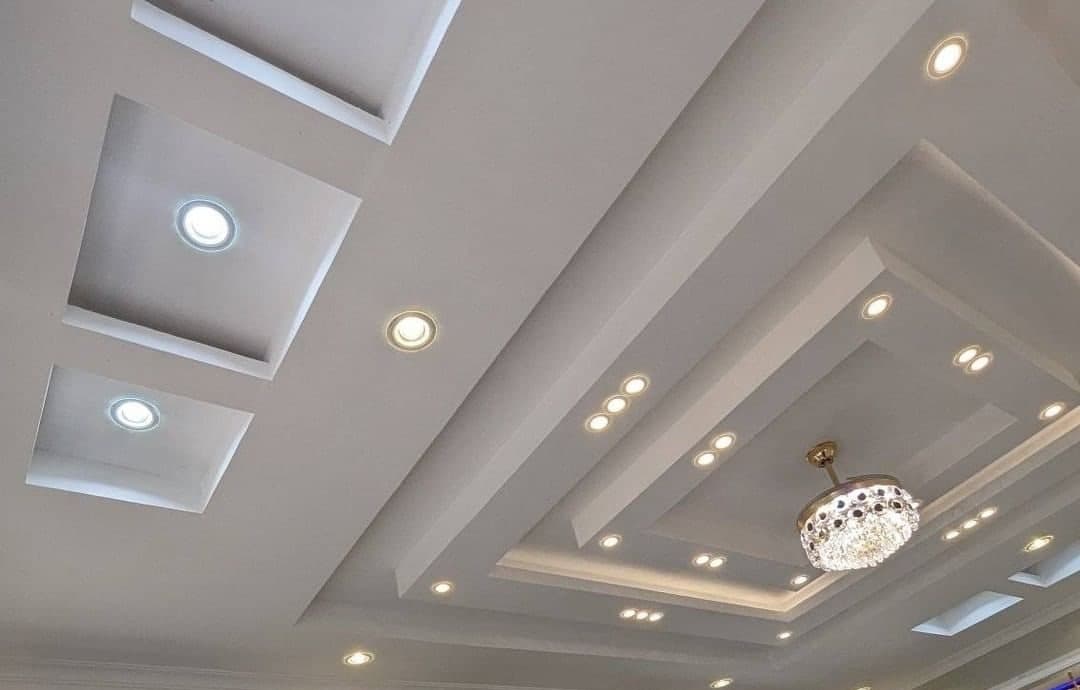
Full traditional style can feel heavy in a modern apartment. The most popular version in Nairobi today is modern classic, sometimes called neoclassical or transitional: classical panelling and cornices painted in a single pale colour, simpler furniture, a restrained palette and contemporary lighting. It gives the elegance and order of the classical tradition without the weight.
In a Kenyan home
Classic design depends on good proportions and good carpentry. Panel sizes must suit the wall, cornice profiles must suit the ceiling height, and mitres must close. Done well, it suits formal lounges, dining rooms, master suites and entrance halls, and it ages better than almost any other style. See wall panelling and wainscoting, ceilings, cornices and mouldings and our comparison of panelling and wallpaper.
Industrial interior design
Industrial style comes from converted factories and warehouses, where structure and services were left exposed because that was what was there.
Characteristics
- Exposed structure and services. Concrete, brick, steel beams, ducts and conduits.
- Raw materials. Concrete or cement-screed floors, blackened steel, reclaimed or rough-sawn timber.
- A dark, neutral palette — grey, black, brown, rust.
- Metal-framed glass partitions and doors.
- Open shelving on steel brackets or pipe frames.
- Utilitarian lighting. Metal pendants, exposed-filament lamps, track lights.
- Leather and worn textures.
In a Kenyan home or business
Industrial interior design is most at home in commercial spaces: cafés, restaurants, bars, creative offices, co-working spaces and shops, where its robustness and character are assets. See our guide to office and commercial interior design in Nairobi.
In homes it works best in moderation — "soft industrial". A black steel-framed glass partition between kitchen and lounge, a cement-effect feature wall, open timber shelving on metal brackets, a kitchen with dark cabinetry and a timber worktop. Balance the hardness with warm timber, rugs, plants and upholstery, or the result feels like a workshop.
Practical notes: polished cement floors are cool underfoot, which is pleasant in warm areas and chilly in Limuru or Karen in July; and exposed ceilings need acoustic help.
Luxury interior design as a style
Luxury is better understood as a standard than a style — it can be modern, classic or African — but the term is commonly used for a recognisable look.
Characteristics
- Premium materials. Marble, natural veneer, lacquer, brass, bronze glass, leather, velvet.
- Bespoke joinery throughout.
- Elaborate, layered lighting with statement fittings.
- Detailed ceilings and panelled walls.
- A rich but controlled palette.
- Generous scale and a hotel-like sense of calm.
It suits villas, penthouses and anyone who wants a home finished to the highest standard. We explore it fully in luxury interior design in Nairobi.
Three more styles worth knowing
Eight labels do not cover everything you will see in Kenyan homes. Three others come up often enough to deserve a mention.
Swahili coastal
Kenya has its own centuries-old interior tradition on the coast, in Lamu, Mombasa and Malindi. Thick white lime-plastered walls, carved timber doors and lintels, plaster niches called zidaka for displaying ceramics, built-in masonry seating called baraza, dark mangrove-pole ceilings, brass lanterns, cool floors and deep shade. It is calm, cool and unmistakably of this country.
Elements of Swahili style travel well to Nairobi: an arched niche wall with concealed lighting, a carved door as the entrance to a master suite, a built-in day bed on a terrace, white textured plaster against dark timber. It is a natural companion to modern African design and to minimalism.
Japandi
A blend of Japanese and Scandinavian design: the pale timber and comfort of the north with the low furniture, darker accents, natural textures and deliberate emptiness of Japan. It is warmer than strict minimalism and calmer than Scandinavian. In practice it means oak-toned joinery, slatted timber screens, linen, stone, black details and a great deal of concealed storage — all very achievable here.
Bohemian and eclectic
Layered, colourful and collected: mixed patterns, plants, rugs on rugs, art from everywhere. It is personal and inexpensive to begin, and it suits rented homes because it relies on loose pieces. Its danger is chaos. A neutral background and a limited colour family keep it from tipping over.
Lighting, furniture and fabrics by style
The fixed interior sets the direction; these three finish it.
Lighting
- Modern and minimalist. Concealed LED coves and profiles, recessed downlights used sparingly, one sculptural pendant.
- Contemporary. Linear and ring pendants, wall washers on textured panels, lit shelving.
- Scandinavian. Paper, glass and timber pendants, floor lamps and table lamps at low level for a soft evening glow.
- Classic. Chandeliers, wall sconces and picture lights, with cove lighting hidden behind the cornice.
- Industrial. Metal dome pendants, track lights and exposed lamps on dimmers.
- Modern African. Woven sisal and raffia pendants, hand-forged metal fittings and warm, low lighting on textured walls and art.
Whatever the style, use warm white lamps in living and sleeping rooms and put as much as possible on dimmers. See LED strip lighting for wardrobes, kitchens and ceilings.
Furniture
Furniture shapes should agree with the joinery. Flat, handle-less cabinets sit comfortably with low, straight-lined sofas; shaker or panelled doors with rolled arms and turned legs; fluted and curved joinery with rounded contemporary seating. If a room feels wrong and you cannot say why, the furniture and the fitted elements are often speaking different languages.
Fabrics and curtains
- Sheers of linen or cotton filter Nairobi's bright daylight in every style.
- Full, lined curtains with a pelmet suit classic rooms; plain panels on a concealed ceiling track suit modern ones.
- Roller and Roman blinds work for minimalist and Scandinavian rooms and for kitchens and bathrooms.
- Texture over pattern in modern and luxury schemes; pattern in measured doses for African, classic and bohemian ones.
Common style mistakes
- Copying a photograph exactly. The room in the picture has different light, proportions and budget. Borrow the idea and adapt it.
- A different style in every room. Variety within one family of materials is charming; unrelated rooms feel like a showroom.
- Following a trend into permanent elements. A kitchen in this year's fashionable colour is harder to live with in year eight than a neutral kitchen with fashionable accessories.
- Theme instead of style. "Safari", "nautical" and "Paris" themes tire quickly. Materials and proportions last.
- Ignoring the architecture. Heavy classical mouldings under a low ceiling, or stark minimalism in an ornate old house, fight the building.
- Too many finishes. Three or four materials repeated through a home is plenty.
- Forgetting comfort. A beautiful chair nobody wants to sit in is a sculpture.
- Matching everything. A furniture suite bought as a set looks flat. Rooms need a little contrast in tone and texture.
Styles side by side
A quick way to compare the eight directions.
- Modern African — warm, earthy, textured; contemporary lines with local materials, craft and art; suits any home that wants character and a sense of place.
- Modern — clean, functional, uncluttered; natural materials and neutrals; suits apartments and open-plan homes.
- Contemporary — current, soft, textured; warm neutrals, curves and mixed materials; suits most new builds.
- Minimalist — calm, spare, precise; concealed storage and very few objects; suits small spaces and tidy households.
- Scandinavian — bright, cosy, practical; pale timber and soft textiles; suits families and first homes.
- Classic — elegant, symmetrical, detailed; panelling, cornices and rich materials; suits formal rooms and larger homes.
- Industrial — raw, robust, urban; concrete, steel and exposed services; suits cafés, offices and lofts.
- Luxury — refined, bespoke, layered; premium materials and lighting; suits villas and high-end apartments.
How to choose a style for your home
Start with feeling, not labels
Write down five words for how you want to feel at home. "Calm, light, uncluttered" points toward minimalist or Scandinavian. "Warm, rich, grounded" points toward modern African or classic. "Sleek, sophisticated, impressive" points toward contemporary or luxury.
Collect, then look for the pattern
Save twenty images of rooms you like without thinking too hard. Then look at them together. What repeats? Pale or dark timber? Curves or straight lines? Bare surfaces or layered ones? The pattern is your style, whatever its name.
Notice what you already own
The furniture, art and objects you have chosen over the years are evidence. A design that works with them will feel like yours.
Listen to the building
High ceilings and tall windows welcome classical panelling. A low-ceilinged apartment is happier with clean, modern lines. A house with a strong relationship to its garden suits natural materials.
Be realistic about living
White bouclé sofas and toddlers do not mix. Open shelving needs dusting. Gloss shows fingerprints. A style has to survive Monday morning.
Think about time
Fixed, expensive elements — kitchen, wardrobes, flooring, ceilings — should be the most timeless. Express personality and fashion in paint, fabrics, lighting and accessories, which are cheap to change.
Budget
Every style can be done at different budgets, but some are more forgiving. Scandinavian and modern looks are achievable with simple laminates and careful design. Classic and luxury styles depend on detail and material quality, and cost more to do well. Minimalism looks simple but demands precise workmanship. Our guide to interior designers in Nairobi explains what drives cost.
Mixing styles well
Most successful homes blend two styles. A few principles make the blend feel deliberate.
- Pick a lead and a support. Roughly four-fifths one style, one-fifth another. Modern with African accents; classic with contemporary lighting; Scandinavian with industrial details.
- Keep one thread constant. A colour, a timber tone or a metal finish that appears in every room.
- Repeat. An element used once looks accidental; used three times, it looks intended.
- Match the level of formality. A rustic bench in a formal classical lounge jars; in a relaxed modern one it charms.
- Let rooms vary within the family. A calm minimalist bedroom and a richer, moodier study can coexist if they share materials.
Popular combinations in Nairobi include modern African with minimalism, Scandinavian with African craft, modern classic with luxury finishes, and contemporary with soft industrial elements.
Applying a style room by room
Whatever direction you choose, it becomes real through the same set of decisions in every room.
- Kitchen. Door style — flat, shaker or fluted — colour, handle or handle-less, worktop material and splashback. See custom kitchens and cabinetry.
- Living room. The media wall, the ceiling, one wall treatment and the furniture shapes.
- Bedrooms. Wardrobe door style and finish, the headboard wall, curtains and lighting.
- Bathrooms. Vanity style, mirror, taps and tile.
- Throughout. Internal doors, handles, skirting, cornice, switch plates and flooring.
A designer's job is to translate "contemporary with African warmth" into these specific choices and make sure they agree with one another across the home. Our room-by-room guide to residential interior design in Nairobi goes through each space.
Style in commercial spaces
Style decisions matter just as much in a place of business, where the interior speaks for the brand.
- Offices generally suit modern and contemporary design, for its clarity and flexibility, with the reception and boardroom carrying more character.
- Cafés, bars and creative studios are the natural home of industrial style, softened with timber and planting.
- Boutique hotels, lodges and restaurants are where modern African and Swahili design can be used most fully — guests are looking for a sense of place.
- Law firms, banks and private clinics often choose modern classic, for its associations with stability and trust.
- Retail follows the product: minimalist for technology and jewellery, warm and textured for fashion and homeware.
The same rule applies as at home. Choose one direction, express it through permanent materials, and let colour and graphics do the parts that may need to change.
Working with a designer on style
You do not need to arrive at a consultation with a named style. It is more useful to bring a set of saved images, a list of what you dislike — often clearer than what you like — and photographs of the furniture and art you intend to keep. A good designer will read the pattern, name it for you, and then show you how it translates into specific boards, colours, door profiles and lighting.
Expect to be shown real samples side by side: the cabinet finish against the worktop, the wall colour against the flooring, the handle against the door. Styles are decided in those combinations, held in the room's own light, far more than in any photograph.
Ask, too, to see how the proposed style has been built before. A firm that works mainly in contemporary and modern classic interiors will have the workshop habits those styles need; one that has only ever built flat laminate doors may struggle with classical panelling. Matching the designer to the style is part of choosing well.
Colour and materials for Nairobi
Whatever the style, three local facts should shape the palette.
- The light is strong. Colours look lighter and brighter here than on a chart. Test samples on the actual wall, and lean slightly warmer and deeper than you think.
- The seasons are wet and dry, not hot and cold. Timber-based materials need sealed edges and stable boards. See kitchen cabinet materials in Kenya.
- Dust is a fact of life. Red soil in the dry season finds its way indoors. Very dark gloss surfaces and open shelving show it; matt, mid-toned and closed surfaces hide it.
Frequently asked questions
What is modern African interior design?
It is contemporary interior design — clean lines, modern comfort and good planning — expressed through African materials, earth-toned colours, local craft, textiles and art. It gives a home warmth and a sense of place without resorting to themed decoration.
What is the difference between modern and contemporary interior design?
Modern refers to a specific style rooted in twentieth-century modernism: clean lines, function and natural materials. Contemporary means the design of the present day, which changes over time and currently favours warm neutrals, curves and texture.
Which interior design style is best for a small apartment?
Minimalist, modern and Scandinavian styles suit small apartments best, because light colours, concealed storage and uncluttered surfaces make rooms feel larger.
Is Scandinavian design suitable for Kenya?
Yes, with small adjustments: warmer whites in place of stark ones, lighter fabrics for the climate and local accessories in place of Nordic ones.
Can I mix different interior design styles?
Yes. Choose one style to lead and another to support, keep a consistent colour or material thread through the home, and repeat borrowed elements so they look intentional.
Which style is the most timeless?
Simple modern lines and well-proportioned classic detailing both age well. The most timeless homes use neutral, good-quality fixed elements and express fashion in things that are easy to change.
What is minimalist interior design?
A pared-back approach with few visible objects, a narrow palette, concealed storage and simple forms. It relies on plenty of well-planned storage and precise workmanship.
Is industrial style good for homes?
In moderation. Elements such as steel-framed glass, cement-effect walls and open shelving add character, but should be balanced with warm timber and soft furnishings. The full look suits cafés, offices and lofts better.
How do I find out what my style is?
Save images of rooms you like, look for the features that repeat, consider what you already own and how you live, and discuss it with a designer who can turn those preferences into a coherent scheme.
Does the style affect the cost?
Yes. Styles that rely on detailed panelling, premium materials or very precise handle-less joinery cost more to execute well than simple, flat-fronted designs in standard finishes.
Find your direction
A style is only useful if it helps you make a home you love living in. If you would like help working out what suits you, your household and your building, look through our portfolio and gallery, note what you are drawn to, and book a consultation. We will help you turn a collection of likes into a clear design for your home.